Blackjack on the Big Screen – How Movies Shape the Game’s Reputation

Blackjack on the Big Screen – How Movies Shape the Game’s Reputation
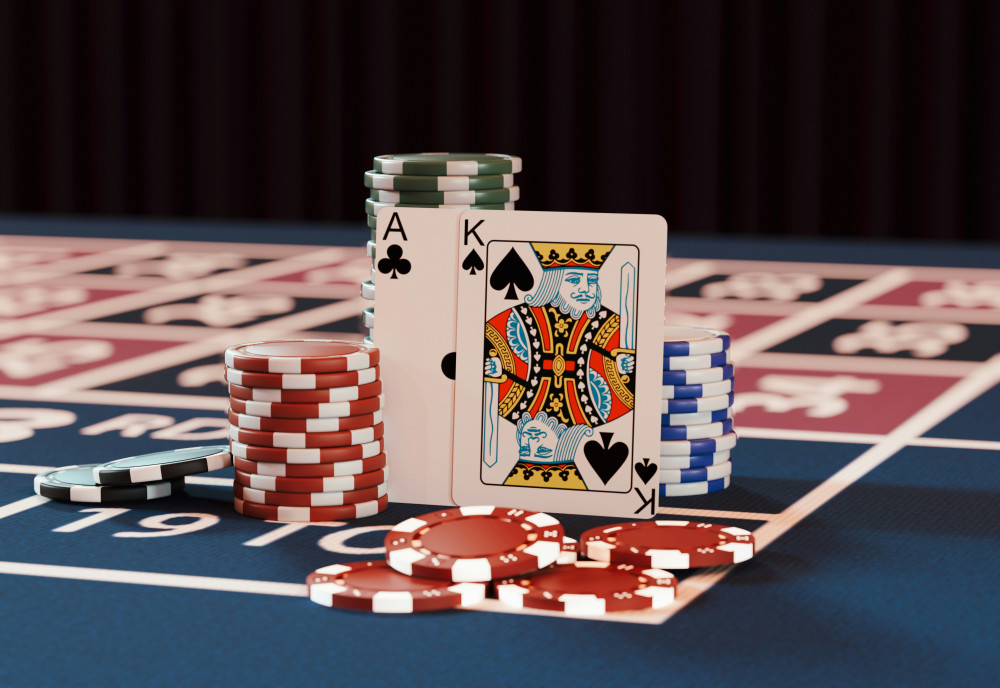
For decades, blackjack has been one of the most recognizable casino games — not just on the casino floor, but also in Hollywood. On screen, the game has come to symbolize intelligence, risk, and the thin line between control and chaos. But how exactly have movies influenced the way Americans see blackjack? And why does this particular card game keep showing up whenever filmmakers want to explore luck, logic, and human ambition?
From Casino Tables to Hollywood Spotlights
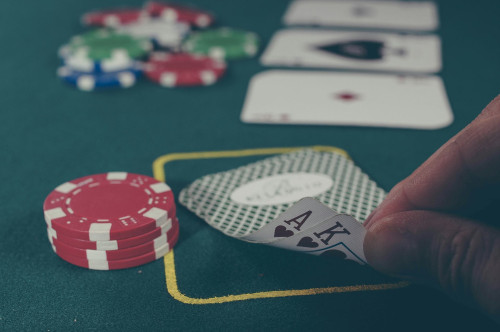
Blackjack holds a special place in film because it blends skill and chance — two ingredients that naturally create tension. Unlike roulette or slot machines, blackjack involves decision-making, strategy, and psychology. That makes it perfect for storytelling, where characters’ intellect and morality are often tested under pressure.
Hollywood has long recognized this potential. Whether in crime dramas, comedies, or thrillers, blackjack scenes often serve as metaphors for life’s bigger gambles — power, greed, and identity. When a character sits down at the table, the stakes are rarely just about money; they’re about control, fate, and the choices that define us.
Movies That Made Blackjack a Cultural Icon
Several films have played a major role in shaping blackjack’s image in American culture. The most famous is 21 (2008), inspired by the real-life MIT Blackjack Team that used math and card counting to beat Las Vegas casinos. The movie turned card counting into a pop-culture phenomenon and portrayed blackjack as a game for the brilliant and rebellious.
Earlier films like Rain Man (1988) also left their mark. In one of its most memorable scenes, the game becomes a symbol of genius and precision — reinforcing the idea that blackjack rewards intellect over luck. Other titles, such as The Last Casino (2004) and Croupier (1998), have continued this tradition, presenting the game as a mental duel between player and system.
But not all portrayals are glamorous. In many noir and gangster films, blackjack represents temptation and downfall. The table becomes a stage for moral collapse — where greed, addiction, and overconfidence lead to ruin. This duality, portraying blackjack as both opportunity and danger, is part of what keeps it fascinating on screen.
When Fiction Meets Reality
Hollywood’s fascination with blackjack has had a real-world impact. Many players are drawn to the game after seeing it in movies, often believing it’s all about outsmarting the casino. In truth, modern casinos use multiple decks and automatic shufflers that make card counting nearly impossible. Real blackjack requires patience, discipline, and a solid understanding of probability — not cinematic drama.
Still, the movies have given blackjack a unique cultural aura. It’s seen as the thinking person’s casino game — one that rewards logic and nerve. That reputation has helped blackjack remain one of the most popular games in both physical and online casinos across the United States.
Læs også:

A Reflection of Our Desire for Control
The recurring presence of blackjack in film may say more about us than about the game itself. It reflects a deep human desire for control — the belief that with enough skill and courage, we can bend chance to our will. When a movie hero beats the odds at the table, it feels like a victory over randomness itself.
At the same time, these stories remind us how fragile that control can be. The same confidence that leads to triumph can just as easily lead to disaster. That tension — between mastery and hubris — is what makes blackjack such a powerful cinematic metaphor.
From Screen to Reality — and Back Again
Today, blackjack continues to thrive in pop culture, from Hollywood blockbusters to streaming series and online gaming communities. Its cinematic legacy has turned it into more than just a casino pastime. It’s a cultural mirror — reflecting our fascination with risk, intelligence, and the eternal hope that, just once, we might make the perfect play.
When we watch a character push their chips forward and take one last card, it’s rarely just about the hand they’re dealt. It’s about the timeless human struggle against chance — and the dream that, for a fleeting moment, we might hold all the cards.
Læs også: