Colors, Sounds, and Rewards – How Online Slots Keep You Hooked

Colors, Sounds, and Rewards – How Online Slots Keep You Hooked
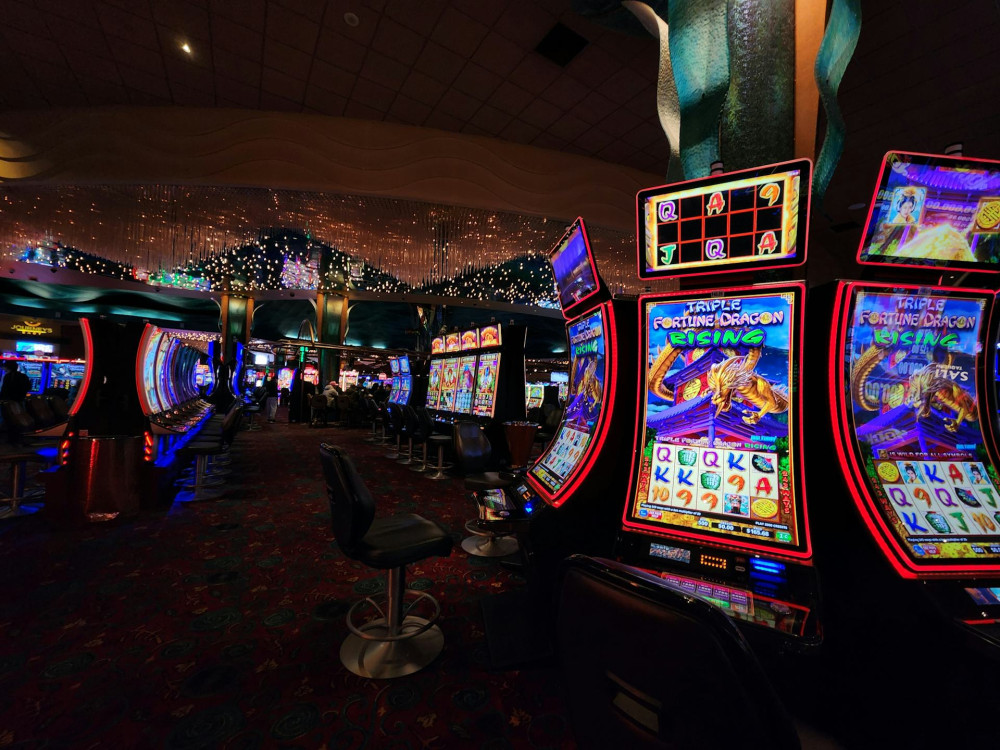
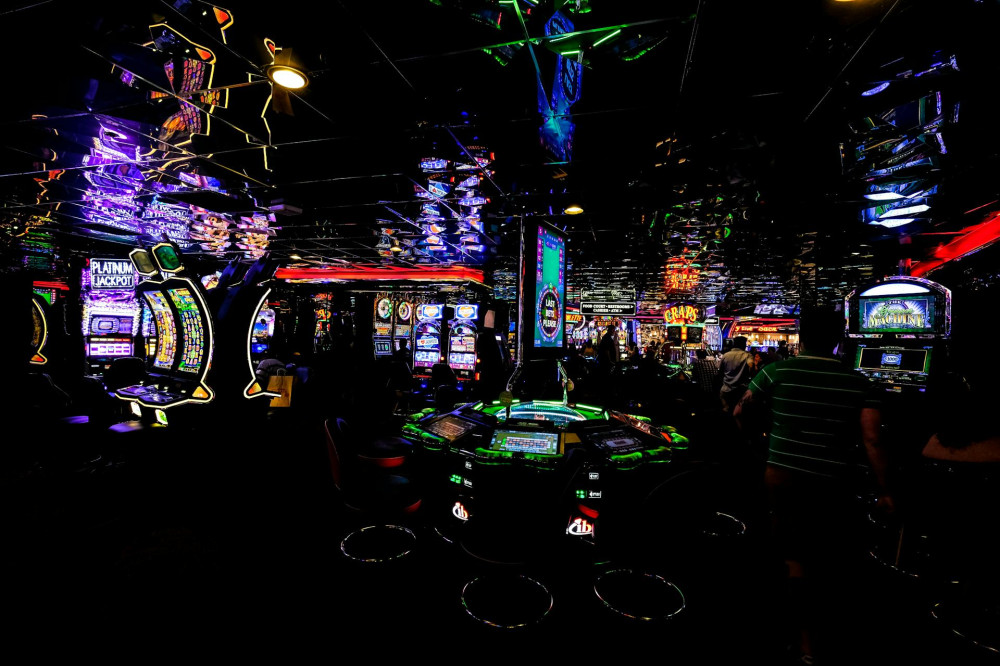
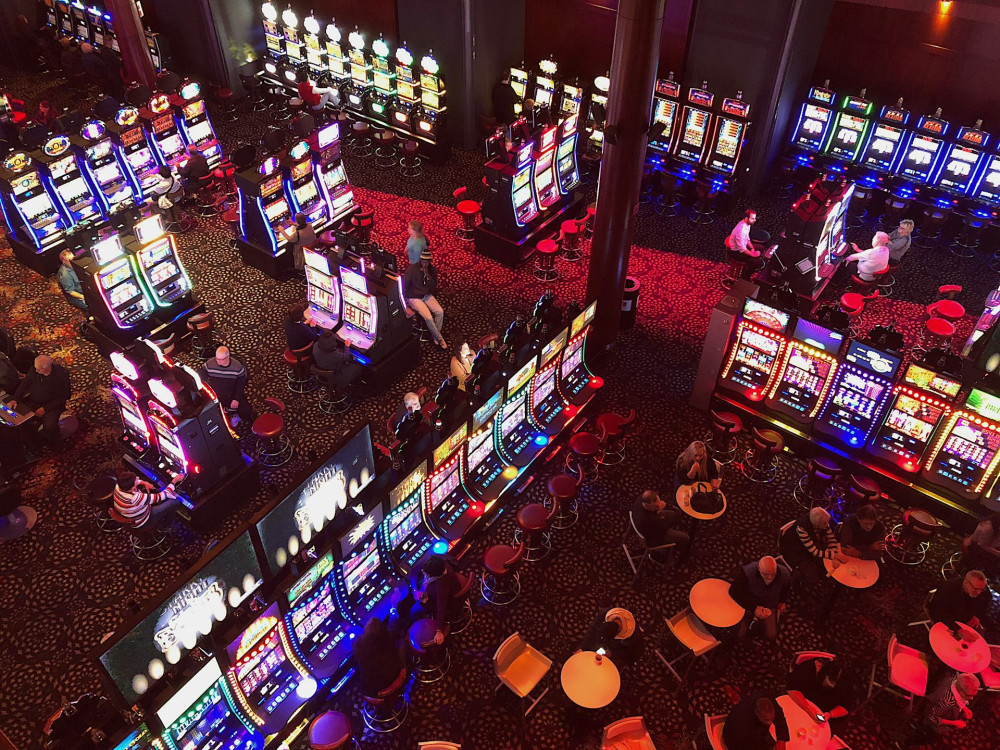
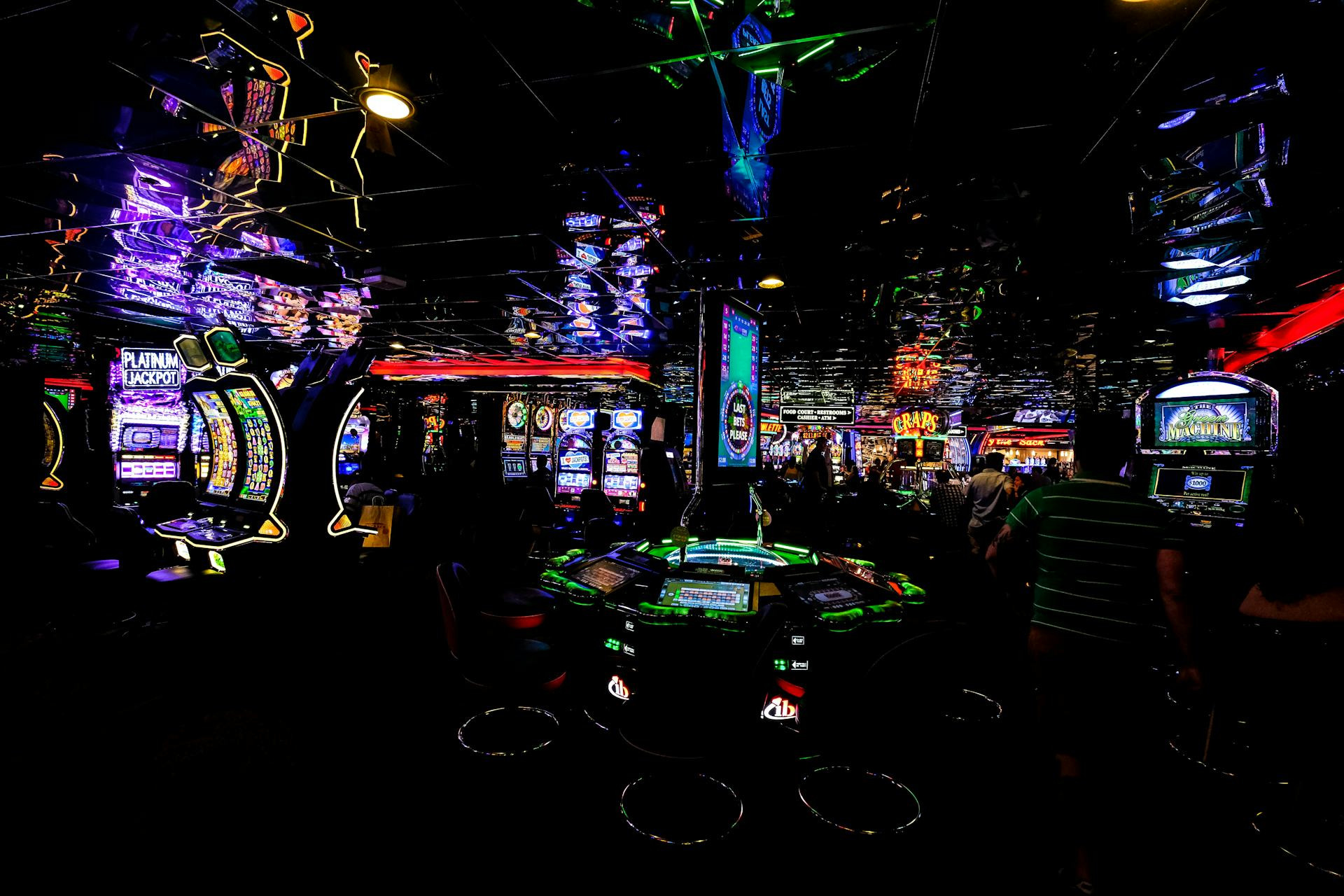
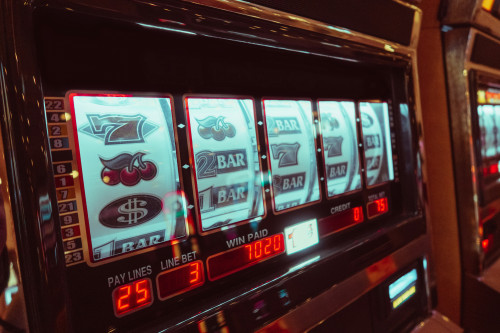
When you open an online slot game, you’re greeted by flashing lights, upbeat sounds, and colorful symbols that seem to invite you to hit “spin” just one more time. None of this is accidental. Behind the digital reels lies a carefully crafted psychology designed to capture your attention and keep you playing—whether you’re winning or losing. In this article, we’ll explore how colors, sounds, and reward systems work together to make online slots so captivating.
The Psychology of Color – When Design Triggers Emotion
Color is one of the most powerful tools in game design. It influences mood, focus, and even decision-making. In online slots, colors are used strategically to stimulate the brain and enhance the feeling of reward.
- Red and gold are often associated with energy, luck, and wealth—perfect for highlighting wins and bonus rounds.
- Green suggests progress and success, while blue can create a sense of calm and trust.
- Contrast and motion draw the eye to key elements like the “Spin” button or jackpot animations.
When these colors flash and move in sync with the game’s rhythm, they create a constant stream of visual feedback. This stimulation keeps players engaged and can even trigger the same brain responses as real-world rewards.
The Sounds That Build Excitement
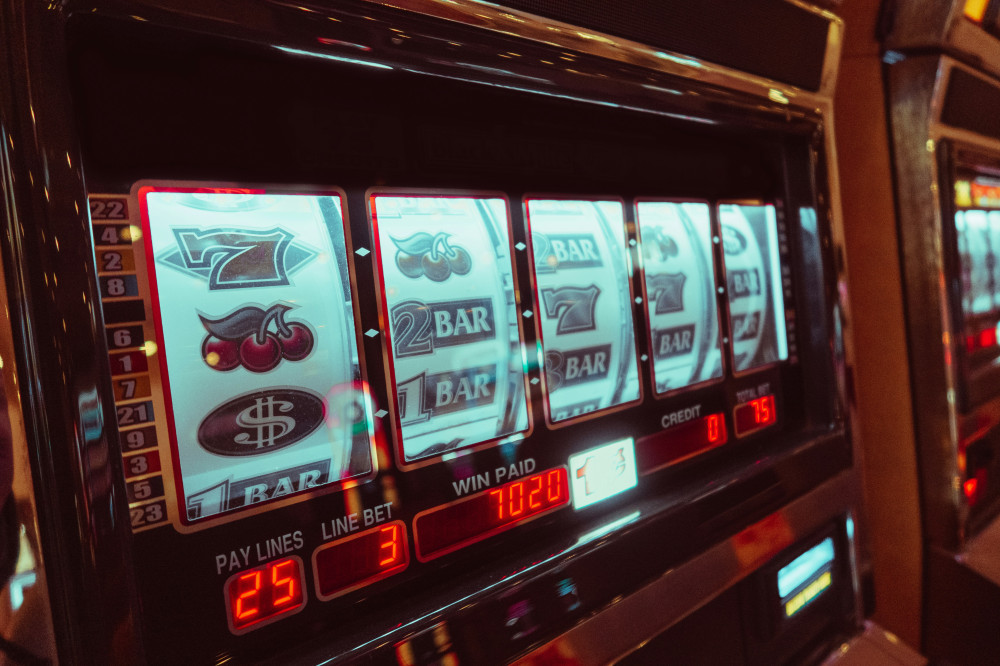
Sound is just as important as visuals in shaping the slot experience. Every spin, click, and chime is designed to evoke anticipation and satisfaction. Even when you don’t win, the audio cues can make it feel like you almost did—and that’s exactly the point.
- High-pitched tones mark small wins and create a sense of progress.
- Deeper sounds and fanfares signal big wins and trigger dopamine—the brain’s “feel-good” chemical.
- Background music sets the pace, keeping the energy up and encouraging continuous play.
Research has shown that the combination of light and sound can amplify the illusion of control and success, even when outcomes are random. This sensory mix helps explain why players often stay longer than they intended.
Læs også:


The Reward System – The Brain’s Addiction to “Almost Winning”
Online slots operate on what psychologists call a variable reward schedule. This means that wins come unpredictably—sometimes quickly, sometimes after many spins. That unpredictability is incredibly effective at holding attention.
When you win, your brain releases dopamine, reinforcing the behavior. But even near-misses—when you’re just one symbol away from a jackpot—can trigger the same reward centers. This creates the illusion that you’re close to success and motivates you to keep playing.
It’s the same mechanism that makes social media notifications and mobile games addictive: small, unpredictable rewards that keep you chasing the next hit of satisfaction.
Designed for Flow – When Time Disappears
Another key element of slot design is the flow state—that feeling of being completely absorbed in an activity. Developers fine-tune pacing, animations, and reward frequency to create this immersive experience.
When each spin takes only a few seconds and transitions are seamless, it’s easy to lose track of time. Many games also offer “autospin” features, removing the need for active input and making the experience even more continuous.
The Psychological Balance – Entertainment or Manipulation?
For most players, online slots are a form of entertainment. But the same design principles that make them fun can also lead to overuse. That’s why it’s important to understand how these games influence your behavior.
Knowing how colors, sounds, and reward systems work can help you make more mindful choices. Many U.S. online casinos now include tools like time limits, deposit caps, and self-exclusion options to support responsible play.
Online slots are a fascinating blend of technology and psychology. They’re built to entertain—but also to engage deeply. And that’s exactly why understanding how they work is the first step toward playing on your own terms.
Læs også: