Emotions at Play: How Excitement and Loss Influence Your Decisions


Emotions at Play: How Excitement and Loss Influence Your Decisions
Whether you’re betting on a football game, trading stocks, or playing poker with friends, your choices are rarely guided by logic alone. Emotions like excitement, hope, frustration, and fear play a much bigger role than most people realize. They can push you to take risks you’d normally avoid or to chase losses in the hope of winning back what you’ve lost. But why do we react this way—and how can you become more aware of the psychological forces shaping your decisions?
The Double Edge of Excitement
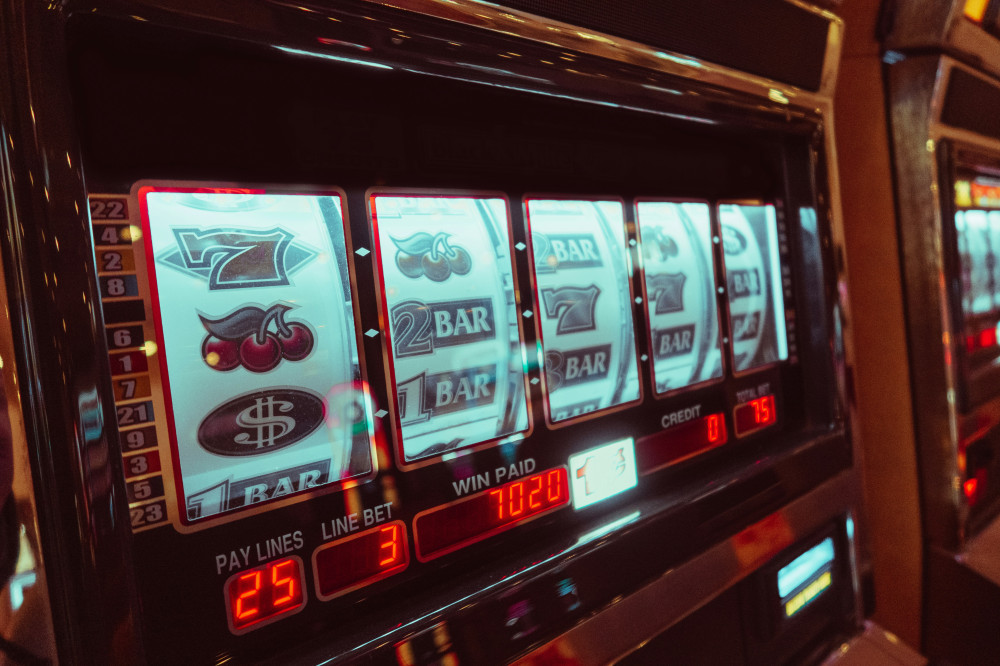
Excitement is one of the strongest motivators in any game of chance. It’s that rush you feel when the dice roll or the slot reels spin, and the brief surge of joy when you win. This feeling is tied to the brain’s reward system, where dopamine is released—the same chemical that lights up when we experience something new or satisfying.
But excitement can also be a trap. Once you’ve felt that rush, your brain starts craving it again, even when you’re losing. That’s when play can shift from entertainment to impulsive behavior. You’re no longer playing for fun—you’re playing to recreate that feeling of excitement.
The Pain of Losing – and Why It Hurts So Much
Research shows that people experience losses about twice as intensely as they experience equivalent gains. In other words, losing $100 feels worse than winning $100 feels good. This imbalance, known as loss aversion, can lead to irrational decisions.
When you lose, you may feel a powerful urge to “win it back.” This is called loss chasing, one of the most common traps in gambling behavior. Instead of stopping to reflect, you keep going—often with bigger bets—hoping to regain control. But in reality, it’s your emotions, not your reason, that are in charge.
Læs også:



The Illusion of Control
Another psychological factor that shapes decision-making in games is the illusion of control—the belief that you can influence outcomes that are actually random. Maybe you pick certain numbers, press the button at a specific moment, or follow a “system” you believe works.
Even though it feels like you have some influence, most games are designed to be completely random. The illusion of control, however, gives you a sense of mastery—and that feeling is part of what makes playing so compelling.
When Emotions Take the Wheel
Emotions don’t just affect how you play—they also shape how you remember your experiences. Many people recall their wins more vividly than their losses because the brain prefers to maintain a positive self-image. This can lead you to overestimate how often you win and underestimate how much you lose.
Stress, fatigue, or alcohol can further amplify emotional decision-making. When you’re emotionally charged, your ability to think long-term decreases, and you become more likely to take risks you wouldn’t normally take.
Playing with Awareness
Understanding how emotions influence your decisions doesn’t mean you have to avoid games altogether—it means you can play with greater awareness. Here are a few ways to keep your balance:
- Set clear limits on time and money before you start playing—and stick to them.
- Take breaks, especially after a loss. It gives your mind time to reset.
- Check in with your emotions—are you playing for fun, or to escape frustration?
- Keep a record of your play. Seeing patterns in your behavior can be eye-opening.
- Reach out for support if you feel that gambling is taking up too much space in your life. In the U.S., you can contact the National Problem Gambling Helpline at 1-800-GAMBLER for free, confidential help.
Games as a Mirror of Self-Awareness
Playing isn’t just about luck—it’s also about knowing yourself. When you understand how excitement, loss, and the illusion of control influence your decisions, you gain a stronger foundation for responsible play. Games can be entertaining and social, but only when you stay mindful and let reason, not emotion, guide your choices.
Læs også: