From Community Halls to Pop Culture: Bingo’s Journey Across Countries and Generations

From Community Halls to Pop Culture: Bingo’s Journey Across Countries and Generations
From small-town church basements to flashy online platforms, bingo has traveled a long way. Once associated with coffee cups, numbered balls, and friendly chatter, the game has evolved into a global pastime that bridges generations and cultures. But how did a simple numbers game become both a social tradition and a pop culture icon?
From Church Halls to Community Connection
Bingo’s roots reach back to 16th-century Italy, where a lottery game called Il Gioco del Lotto d’Italia first appeared. It spread through France and Germany before taking on its modern form in the United States during the early 20th century. The American version, with its 75-number grid, became a staple of church fundraisers, veterans’ halls, and community centers.
For decades, bingo nights were more than just games—they were social gatherings. Neighbors caught up on local news, families shared laughs, and communities raised money for good causes. The prizes were modest—maybe a homemade pie, a gift basket, or a few dollars—but the real reward was the sense of belonging.
A Game with Many Faces
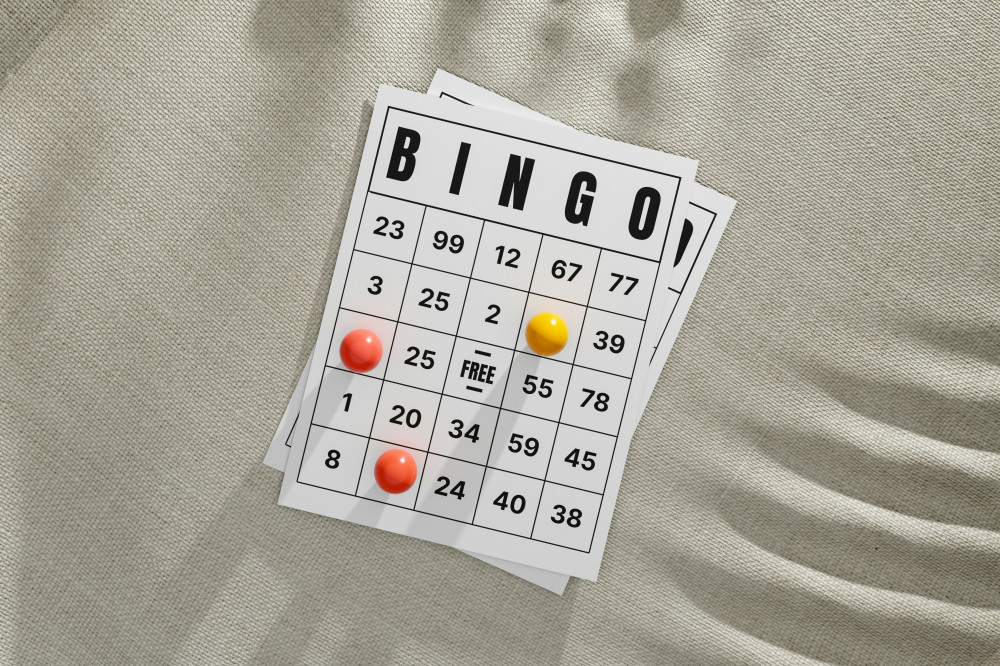
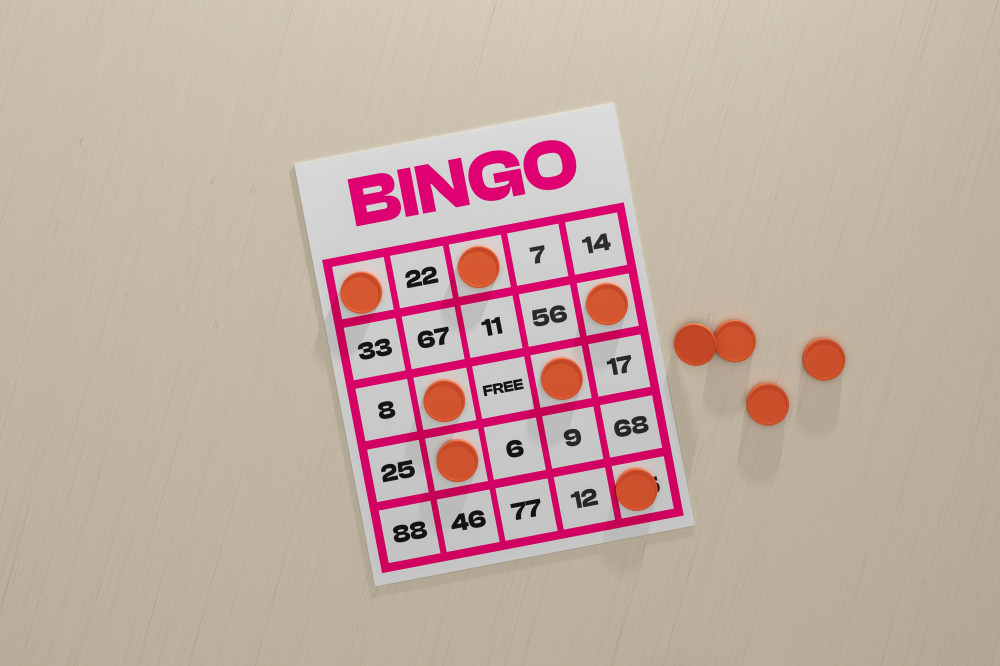
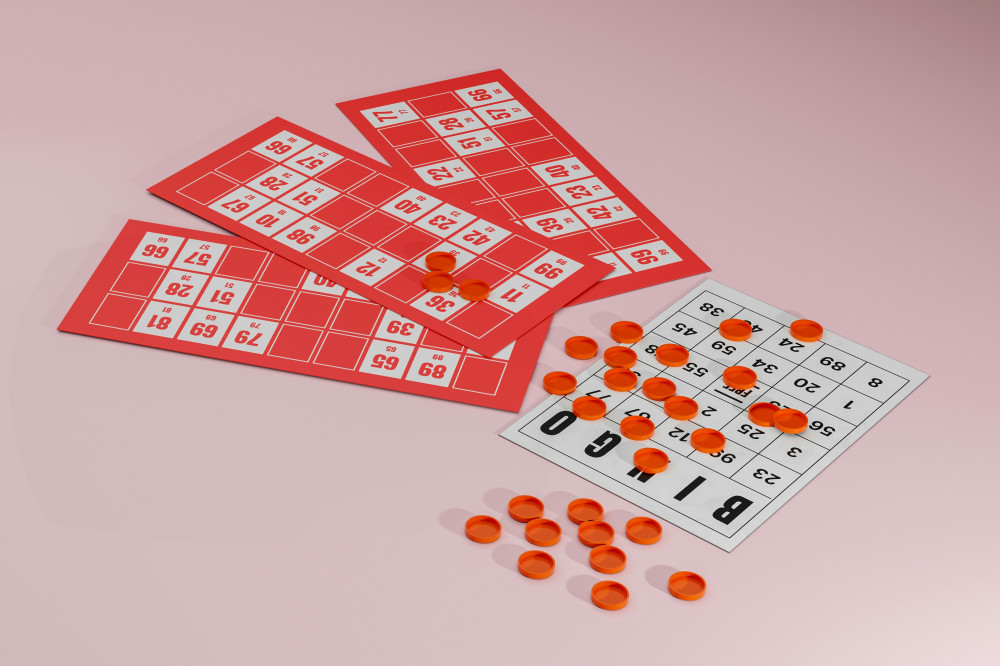
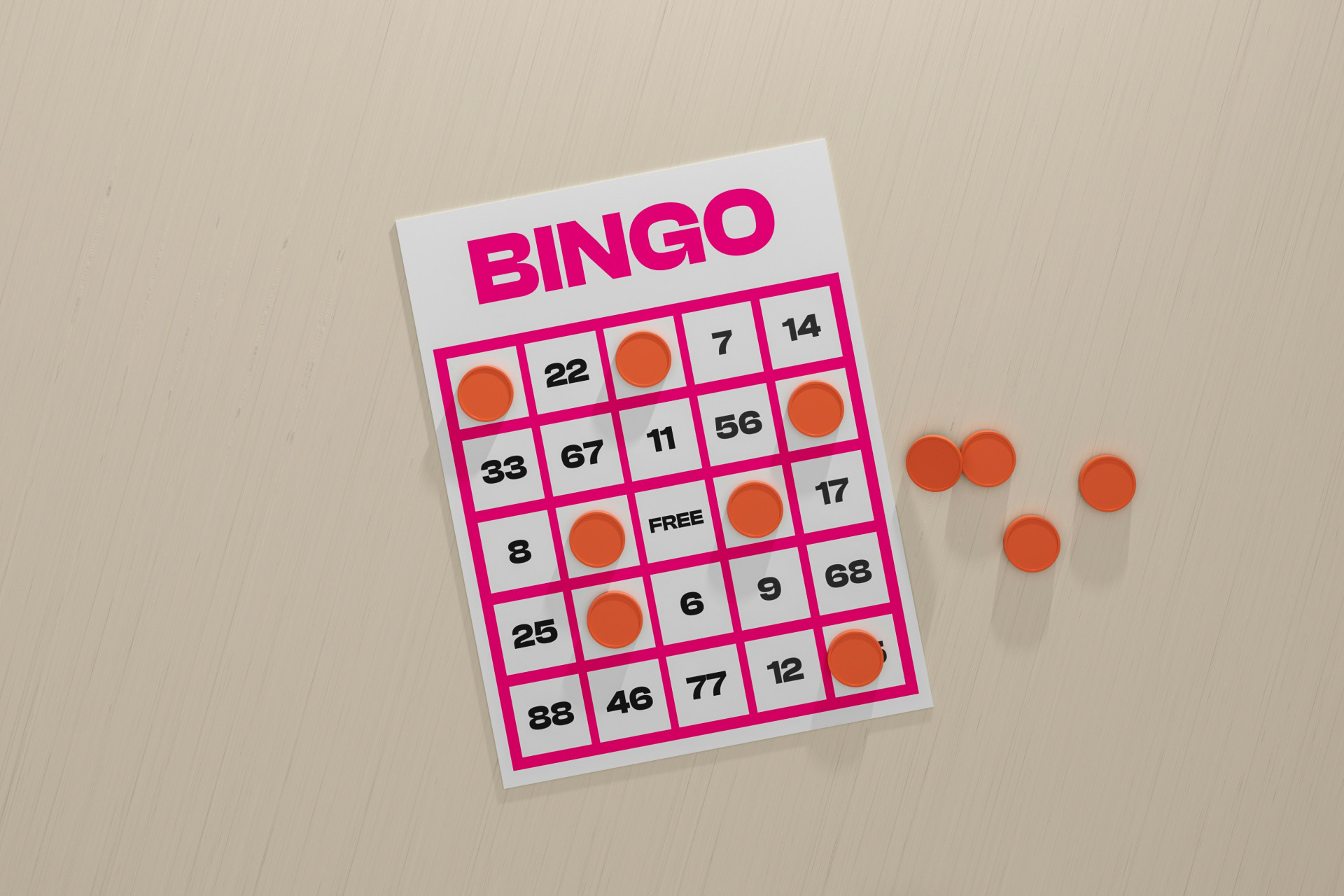
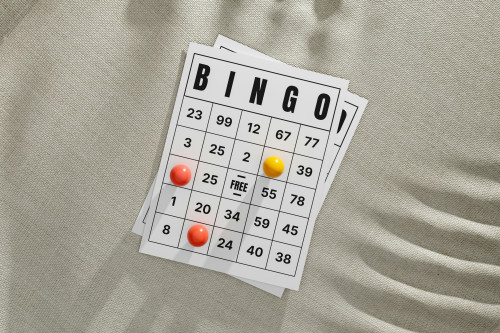
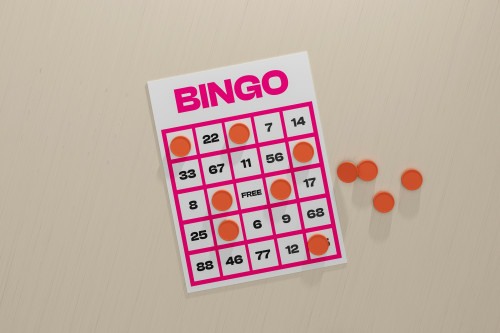
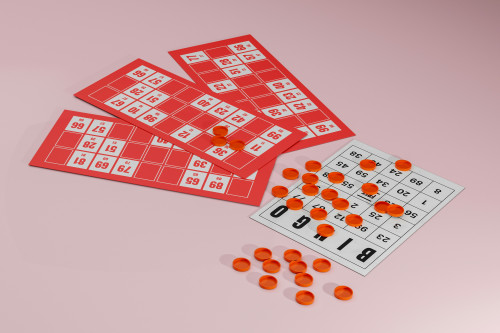
Though the rules are simple—mark off numbers as they’re called until you complete a line or pattern—bingo has countless variations. British bingo uses 90 numbers, while the American version sticks to 75. Some games feature themed cards, special patterns, or bonus rounds. These small differences reflect how bingo adapts to local traditions and audiences.
Part of bingo’s enduring appeal lies in its accessibility. Anyone can play, regardless of age or background. It requires no special skill—just a bit of luck, patience, and a willingness to join in the fun.
From Paper Cards to Pixels
The digital revolution of the 1990s brought bingo into a new era. Online bingo sites allowed players to join games anytime, anywhere, often with chat rooms that recreated the social buzz of in-person play. In the U.S., online bingo found a following among both longtime fans and younger players drawn to its mix of nostalgia and convenience.
Today, bingo apps and websites offer everything from classic formats to pop-culture-themed games inspired by movies, TV shows, and celebrities. Some even feature live hosts and streaming events, turning a simple game into an interactive entertainment experience.
Bingo in Pop Culture
Bingo’s influence has reached far beyond the game hall. It has appeared in films, TV shows, and art installations as a symbol of community, chance, and everyday joy. In cities like New York, Los Angeles, and Chicago, “bingo nights” have been reinvented as lively events featuring drag performers, DJs, and themed parties. These modern versions blend humor, performance, and inclusivity—proof that bingo can be both nostalgic and cutting-edge.
Læs også:

A Game That Connects Generations
Despite all the changes, bingo’s heart remains the same. It’s about shared excitement, the thrill of being one number away, and the joy of shouting “Bingo!” while others cheer you on. In an age when so much social interaction happens online, bingo continues to bring people together—grandparents, parents, and kids alike—around a game that transcends time and technology.
From Past to Future
Bingo’s journey from community halls to pop culture shows how traditions can evolve without losing their essence. It has adapted to new media and new generations while keeping its spirit of fun and togetherness intact.
Whether played with paper cards and markers or on a smartphone screen, bingo remains a game that unites people. And perhaps that’s why it endures—as a living piece of cultural history that celebrates both nostalgia and the present moment.
Læs også: