From Roulette to Other Games: Strategies That Have Spread Across the Casino World

From Roulette to Other Games: Strategies That Have Spread Across the Casino World
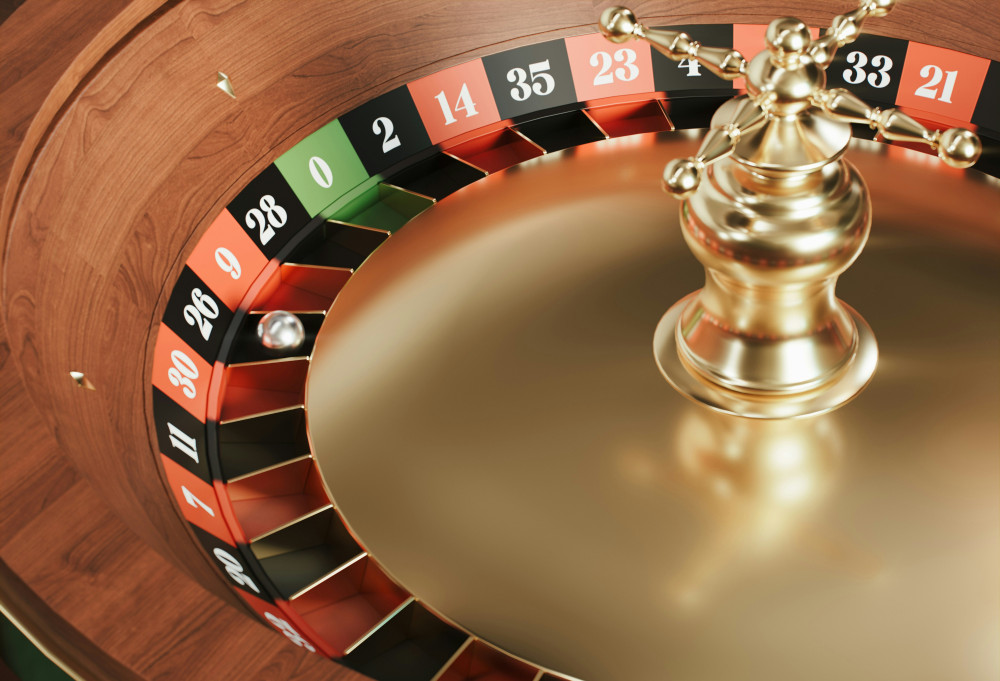
Roulette is one of the oldest and most recognizable casino games, and over the centuries, players have developed countless strategies in an attempt to beat the wheel. While the game itself is based entirely on chance, many of these strategies have taken on a life of their own—evolving into broader approaches to risk management, patience, and decision-making that now influence everything from blackjack to sports betting and online slots.
But how did strategies from a single game come to shape the entire casino world? And what can American players learn from this evolution, no matter what game they prefer?
From Martingale to Modern Bankroll Management
One of the most famous roulette strategies is the Martingale system, where a player doubles their bet after every loss in order to recover previous losses with a single win. In practice, this approach is risky—especially because of table limits and finite bankrolls—but the underlying idea has inspired a wide range of progressive betting systems.
Today, similar principles appear in other games, but in more controlled forms. In blackjack, for example, players may adjust their bets based on the likelihood of winning the next hand, while in sports betting, the concept of bankroll management has become essential. Instead of chasing losses, players focus on protecting their funds over time by wagering only a small, consistent percentage of their total bankroll. The goal is no longer to “win it all back,” but to play smart and stay in the game.
Fibonacci and the Mathematical Mindset
Another classic roulette strategy is based on the Fibonacci sequence—a mathematical pattern where each number is the sum of the two preceding ones. In roulette, it’s used to increase bets gradually after losses, offering a slower, more measured progression than Martingale.
This mathematical mindset has influenced modern gaming far beyond the roulette table. In poker and sports betting, players use probability models and statistical analysis to evaluate value and risk. What began as a simple betting pattern has evolved into a sophisticated way of thinking—one that blends math, psychology, and discipline to make more informed decisions.
From Luck to Control – The Psychological Side of Strategy
Roulette is a game of pure chance, yet players have always sought patterns and systems to bring a sense of control to the randomness. This human desire to find order in chaos has fueled an entire culture of gaming strategies, spreading across nearly every casino game.
In games like blackjack and poker, where decisions truly matter, strategy takes on real meaning. Here, success depends not only on luck but also on understanding probabilities, reading opponents, and staying calm under pressure. Many professional players say that the greatest reward isn’t the money—it’s the control over one’s own decisions.
Læs også:

Strategies in the Digital Age
With the rise of online casinos and algorithm-driven games, strategies have entered a new era. Players now use software tools to analyze patterns, simulate outcomes, and test betting systems across thousands of rounds.
Even though the results remain random, digital technology has made it easier than ever to understand the math behind the games. It has also encouraged a more responsible approach to gambling, where the focus is on entertainment, learning, and long-term enjoyment rather than quick wins.
What Players Can Take Away
Whether you’re spinning the roulette wheel, playing blackjack, or trying your luck on slots, a few universal principles apply:
- Set a budget—and stick to it.
- Learn the rules and odds before you play.
- Think long-term—steady, thoughtful bets often lead to a better experience.
- Keep emotions in check—gambling should be fun, not stressful.
Strategies can make games more engaging, but they should be seen as tools for structure and awareness—not as guaranteed paths to profit.
From the Roulette Wheel to the Wider Casino World
Roulette has been the starting point for many of the ideas that shape modern casino play. From simple betting progressions to advanced analytical models, strategies have evolved alongside technology—but the essence remains the same: the desire to understand the game and find balance between luck and logic.
Perhaps that’s why roulette continues to fascinate players around the world. It reminds us that even in a game ruled by chance, the pursuit of strategy adds depth, excitement, and a sense of mastery that keeps the casino experience endlessly compelling.
Læs også: