Learn to Spot Patterns: Use Trends to Better Understand the Game’s Dynamics


Learn to Spot Patterns: Use Trends to Better Understand the Game’s Dynamics
When you play—whether it’s poker, fantasy sports, esports, or online casino games—it’s never just about luck. Beneath every game lies a rhythm, a structure, and a set of patterns that shape how it unfolds. Learning to recognize these patterns can help you make smarter decisions, understand the game’s flow, and play with greater awareness rather than relying solely on chance.
Why Patterns Matter
Humans are natural pattern seekers. It’s how we make sense of the world. In gaming, this instinct can be a powerful tool—if used wisely. By observing how a game evolves over time, you can identify trends that reveal something about probabilities, player behavior, or the underlying mechanics of the system.
A seasoned poker player, for example, might notice when an opponent shifts strategy. A sports bettor might recognize that a team performs differently under certain conditions. The goal isn’t to predict the future—it’s to understand the dynamics that drive the game.
Balancing Data and Intuition
Spotting patterns is both an analytical and intuitive process. On one hand, you can rely on data—statistics, history, and probabilities—to form an objective picture. On the other, your experience and instincts play a crucial role. The best approach is to balance the two.
- Use data to confirm your observations. If you think you’ve spotted a trend, check the numbers. Do they support your hunch?
- Watch out for cognitive traps. Humans often see patterns where none exist—a phenomenon known as apophenia. Games are designed to feel random, so stay critical of your assumptions.
- Let experience guide you. The more you play, the better you’ll become at distinguishing real trends from random fluctuations.
Learn the Game’s Rhythm
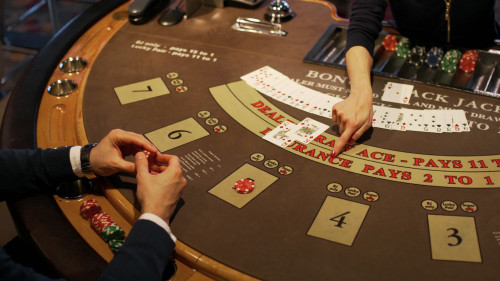
Every game has its own rhythm. In some, like blackjack or poker, the dynamics shift constantly depending on the players and the cards. In others, like online slots or algorithm-driven games, the rhythm is more mathematical. Regardless of the type, you can learn a lot by observing how the game “breathes.”
- In strategy-based games, notice how opponents react under pressure and how the tempo changes during key moments.
- In chance-based games, track how wins and losses appear over time—not to predict the next outcome, but to understand the game’s structure and volatility.
- In esports or sports betting, follow momentum shifts, tactical adjustments, and psychological factors that influence performance.
Understanding the rhythm helps you adapt your strategy and stay composed when the game changes pace.
Trends as a Learning Tool
Recognizing patterns isn’t just about winning—it’s about learning. When you analyze your own play, you may notice recurring behaviors: do you become too aggressive after a win? Do you take unnecessary risks when you’re behind? By identifying your own patterns, you can adjust your approach and become a more disciplined player.
A simple but effective method is to keep a game journal. Note what went well, what didn’t, and what trends you observed. Over time, you’ll see how your decisions affect outcomes—and that insight becomes the foundation for improvement.
Læs også:


When Patterns Become a Trap
While pattern recognition is valuable, it can also lead you astray if you start believing you can “beat the system.” In games where chance plays a major role, each outcome is independent of the last. The classic example is the “gambler’s fallacy”—the belief that a certain result is “due” because it hasn’t happened in a while. That’s an illusion.
Use patterns as a tool for understanding, not as a guarantee of success. The best players know how to tell the difference between a genuine trend and pure randomness.
A More Mindful Way to Play
Learning to spot patterns ultimately means becoming a more thoughtful player. You gain insight into the game’s dynamics, your own reactions, and the factors that shape outcomes. That awareness makes gaming not only more strategic but also more enjoyable and responsible.
When you play with an understanding of trends and rhythms, you don’t just improve your results—you deepen your appreciation of the game itself. That’s where the real excitement begins.
Læs også: