Pioneers Behind the First Major Casinos: The Visions That Shaped the Industry

Pioneers Behind the First Major Casinos: The Visions That Shaped the Industry
The first great casinos were never just places to gamble—they were monuments to ambition, imagination, and risk-taking. Behind the glittering lights and lavish interiors stood visionaries who saw beyond the roulette wheel and the card table. From the aristocratic salons of Europe to the neon glow of Las Vegas and the high-tech resorts of Macau, the casino industry has always been driven by people who dared to dream bigger than their times.
From European Elegance to the Birth of Modern Gaming
The story of the casino begins in 17th-century Europe, where gaming and social life intertwined. In 1638, Venice opened the Ridotto, one of the first government-regulated gambling houses. It was designed to bring order to a pastime already beloved by the city’s elite. This early experiment laid the foundation for the casino as a place of both entertainment and exclusivity.
By the 19th century, the concept had evolved into a symbol of luxury and refinement. In Monaco, the ruling family sought to rescue the principality’s struggling economy by creating a destination for Europe’s wealthy travelers. The result was the Casino de Monte-Carlo, founded in 1863 under the guidance of entrepreneur François Blanc. Blanc understood that gambling alone wasn’t enough—he built an experience that combined architecture, music, fine dining, and elegance. Monte Carlo became synonymous with sophistication, setting a standard that would inspire future casino pioneers.
Las Vegas: The Desert Dream
While Europe’s casinos catered to aristocrats, America’s version was born from grit, entrepreneurship, and a touch of rebellion. When Nevada legalized gambling in 1931, few could have imagined that a dusty desert town would become the world’s gaming capital. Yet a handful of visionaries saw potential where others saw only sand.
Among them was Bugsy Siegel, who in 1946 opened the Flamingo Hotel—the first modern resort that combined gaming, entertainment, and luxury accommodations under one roof. Though the project initially struggled, Siegel’s vision transformed Las Vegas. He believed that casinos should be glamorous and accessible, a place where ordinary Americans could feel like movie stars for a night.
In the decades that followed, others expanded on Siegel’s blueprint. Billionaire Howard Hughes brought corporate respectability to the industry, helping to push out organized crime and usher in a new era of legitimacy. Later, Steve Wynn redefined the casino experience in the 1980s and 1990s with resorts like The Mirage and Bellagio. Wynn saw casinos not just as gambling halls but as immersive worlds—where art, architecture, and service combined to create a sense of wonder.
Macau and the Rise of the East
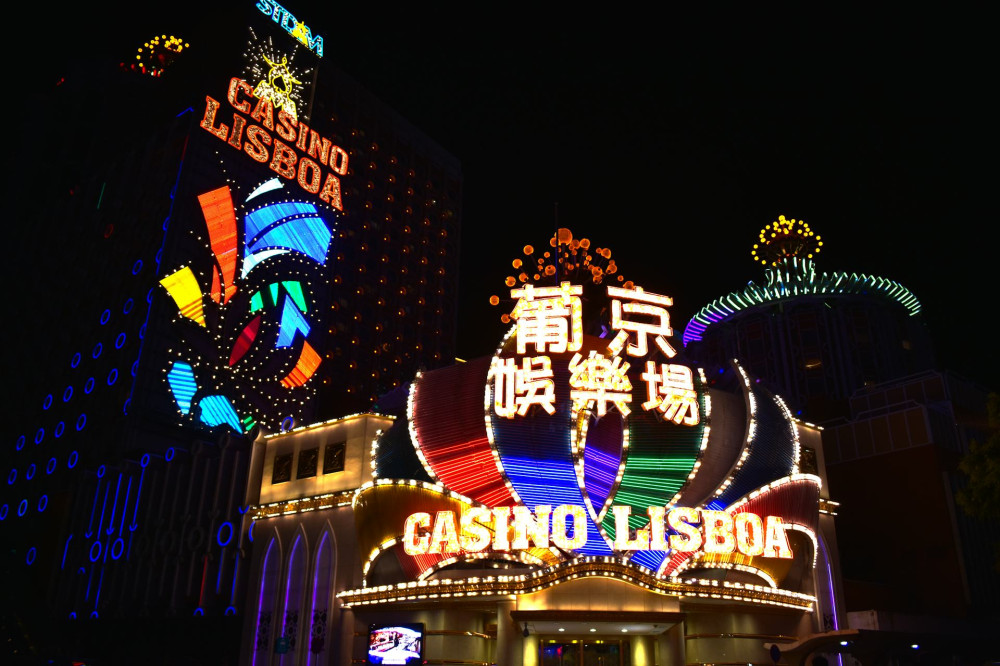
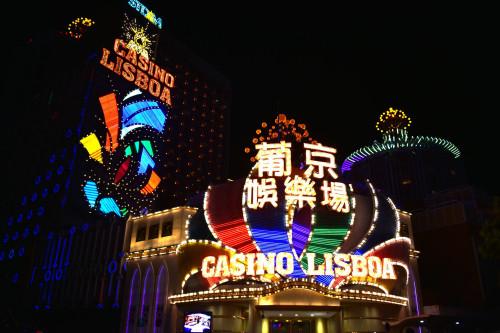
By the early 2000s, the center of gravity in the casino world began to shift eastward. The former Portuguese colony of Macau emerged as the new global hub of gaming, surpassing Las Vegas in revenue and scale. Here, a new generation of pioneers blended Asian culture with international luxury.
Stanley Ho, who held a monopoly on Macau’s gaming industry for decades, laid the groundwork for its transformation. Later, global figures like Sheldon Adelson brought the Las Vegas model to Asia with projects such as The Venetian Macau, creating vast integrated resorts that combined gaming, shopping, entertainment, and convention spaces. Macau became a symbol of the modern casino era—where technology, design, and global tourism converged.
Læs også:

The Enduring Vision
Though the look and feel of casinos have changed—from smoke-filled rooms to digital platforms—the core vision of the early pioneers remains alive. They understood that success in gaming was never just about chance; it was about creating experiences that stirred emotion and imagination.
Today, that spirit continues online, where entrepreneurs are building virtual casinos and immersive digital worlds. The tools have changed, but the motivation is the same: to offer excitement, beauty, and connection in a way that transcends the ordinary.
From Past Innovators to Future Frontiers
The first major casinos were built by people who refused to accept limits. They saw opportunity in uncertainty and turned risk into art. When we look at the dazzling skyline of Las Vegas or the futuristic towers of Macau, we see more than architecture—we see the legacy of dreamers who transformed play into an experience and, in doing so, built one of the most dynamic industries in the world.
Læs også: