Rediscover the Joy of Gaming: When the Fun Matters More Than the Win

Rediscover the Joy of Gaming: When the Fun Matters More Than the Win
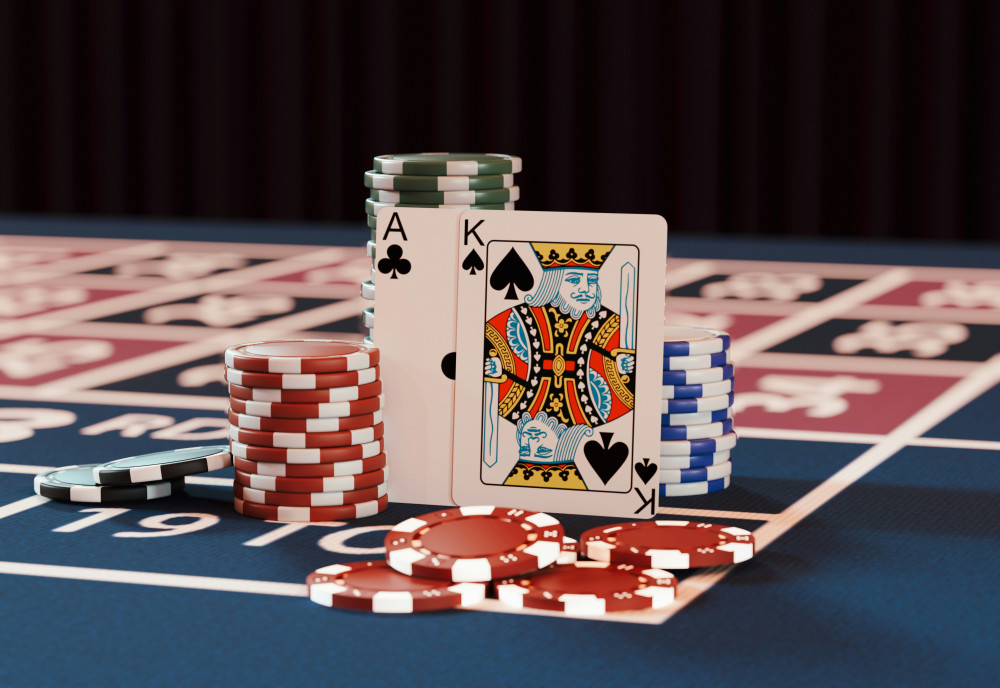
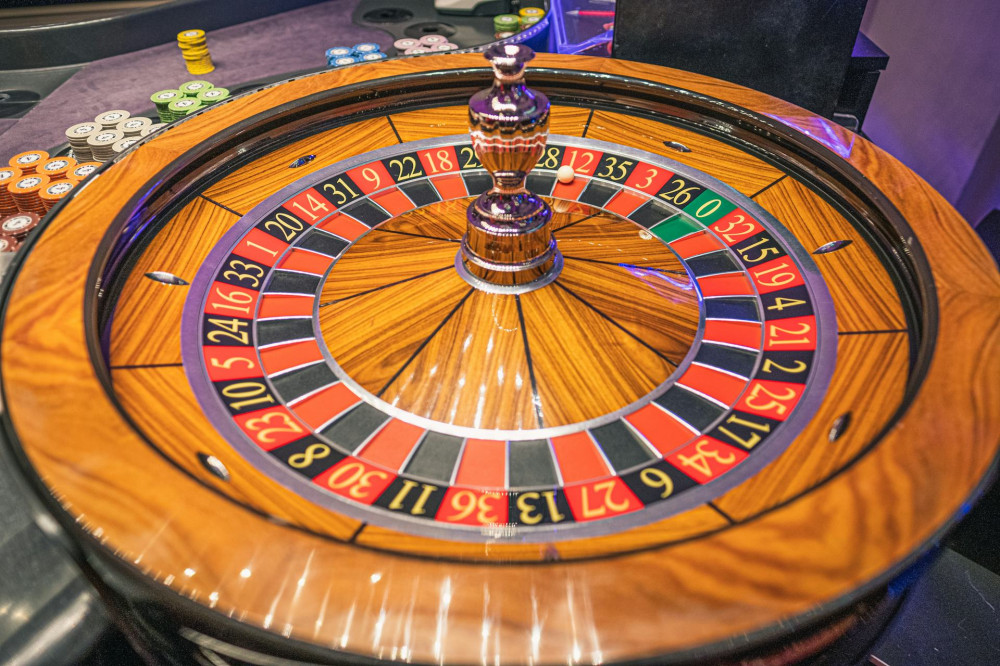
For many Americans, gaming—whether it’s a night of poker with friends, a round of fantasy football, a console marathon, or a few spins on an online casino—has always been about excitement, connection, and entertainment. But as gaming and gambling have become more accessible, the focus for some has shifted from the experience to the outcome. When the goal becomes winning rather than enjoying, something essential is lost. This article is about rediscovering the joy of gaming—and remembering why we play in the first place.
Gaming as a Social and Mental Experience
Games have always been part of human culture. From ancient dice to modern video games, they’ve given us ways to challenge ourselves, collaborate, and compete in fun and meaningful ways. When we play, our brains release dopamine—the same chemical that fuels motivation and happiness. That’s why gaming can feel so engaging and rewarding.
But the joy of gaming doesn’t come only from winning. It’s found in the laughter, the strategy, the shared moments, and the thrill of the challenge. When gaming becomes a way to unwind, connect, or test your skills, it gains a value that goes far beyond prizes or points.
When Winning Takes Over
For some players, the pursuit of victory—or profit—can start to overshadow the fun. It might happen gradually: playing a little longer, betting a little more, or chasing losses in hopes of turning things around. In that process, the original purpose of gaming can fade away.
A healthy relationship with gaming is about balance. It means playing for entertainment, setting limits on time and money, and accepting that losing is part of the game. When you play with awareness of your motives, it’s easier to stay in control—and to keep the joy alive.
How to Reclaim the Fun
Rediscovering the joy of gaming isn’t about quitting altogether—it’s about shifting your perspective. Here are a few ways to bring the focus back to the experience:
- Play for fun, not for profit. Choose games you genuinely enjoy, regardless of whether you win or lose.
- Set limits. Decide in advance how much time and money you’ll spend, and stick to it.
- Make it social. Play with friends or family—it’s more engaging and less isolating.
- Take breaks. If gaming starts to feel like an obligation, step away for a while.
- Reflect on your reasons for playing. Are you seeking excitement, relaxation, or escape? Understanding your motivation helps you maintain balance.
Gaming as Part of a Healthy Lifestyle
When gaming fits naturally—but not excessively—into your daily life, it can be a source of joy and relaxation. It’s like watching a good movie, reading a book, or going for a run—something that adds energy and entertainment without taking over.
Research shows that players who focus on the experience rather than the outcome tend to have more positive gaming habits. They feel less stressed, are less likely to overplay, and find it easier to stop when they’ve had enough.
Læs også:


When the Balance Slips
If you notice that gaming is starting to dominate your time or that you’re playing to escape worries, it may be a sign that things are out of balance. It’s important to take that seriously—and help is available. In the U.S., organizations like the National Council on Problem Gambling (NCPG) offer confidential support and resources for anyone who wants to regain control of their gaming habits.
Seeking help isn’t a sign of weakness—it’s a sign of strength. It shows that you’re taking responsibility for your well-being and working to restore a healthy relationship with gaming.
The Freedom of Play
Ultimately, the joy of gaming is about freedom—the freedom to choose when and how to play, and the freedom to stop when you want. When gaming once again becomes a source of entertainment, connection, and challenge, it regains its original meaning.
Rediscovering the joy of gaming isn’t about luck—it’s about awareness. It’s about remembering that the best part of the game isn’t necessarily the win, but the journey along the way.
Læs også: