French Roulette Explained: What “La Partage” and “En Prison” Mean for Your Odds


French Roulette Explained: What “La Partage” and “En Prison” Mean for Your Odds
Roulette is one of the most iconic casino games in the world—a blend of chance, rhythm, and anticipation. But not all roulette wheels are created equal. The French version stands out from the American and European ones thanks to a few special rules that can actually improve your odds. Two of the most important are “La Partage” and “En Prison.” Here’s what they mean and how they affect the house edge.
French Roulette – Classic and Player-Friendly
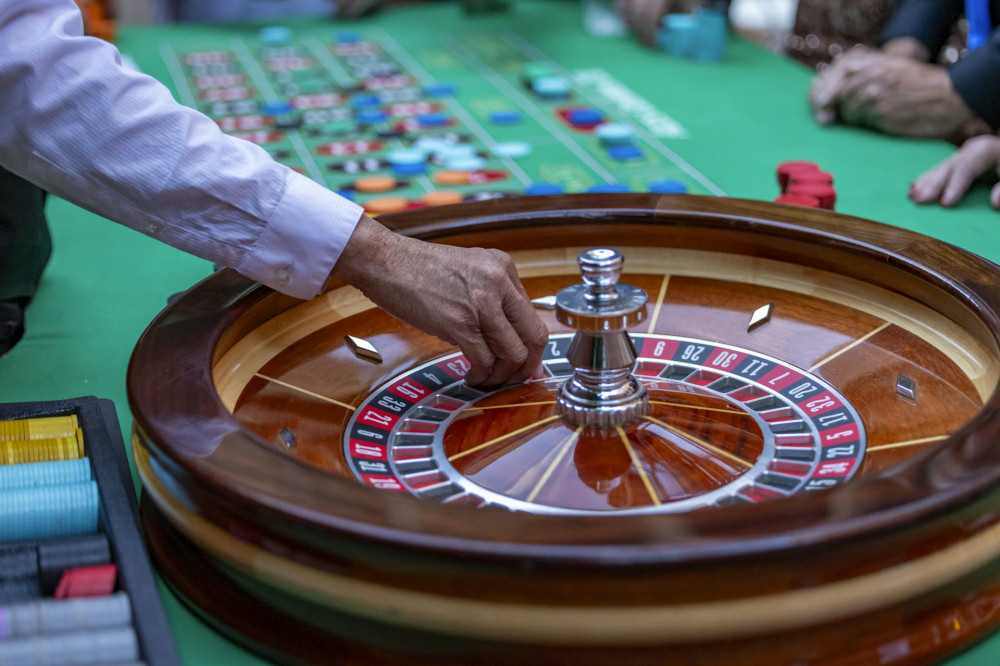
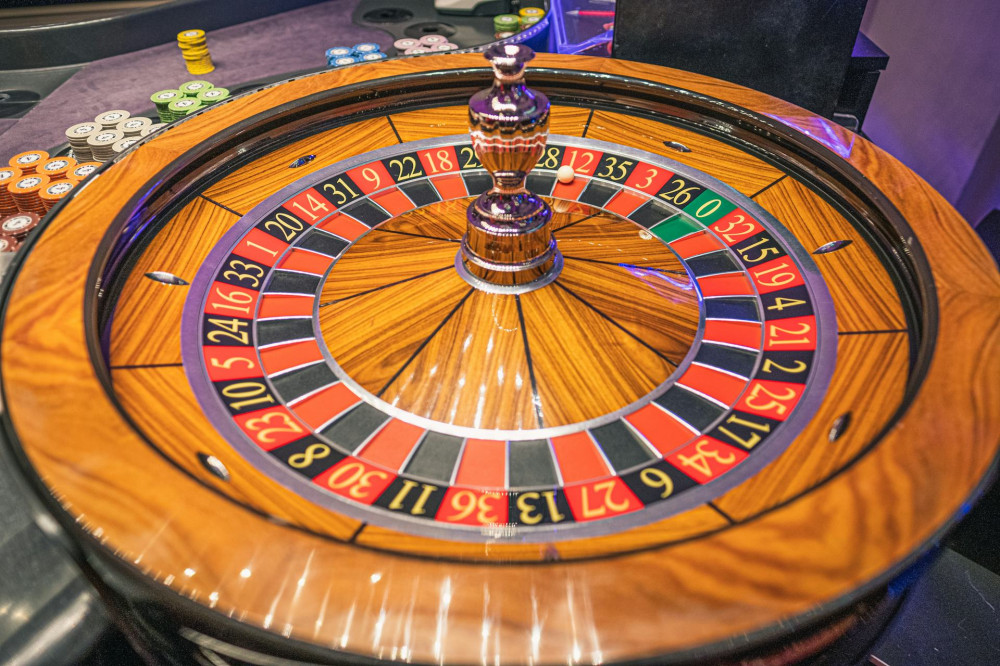
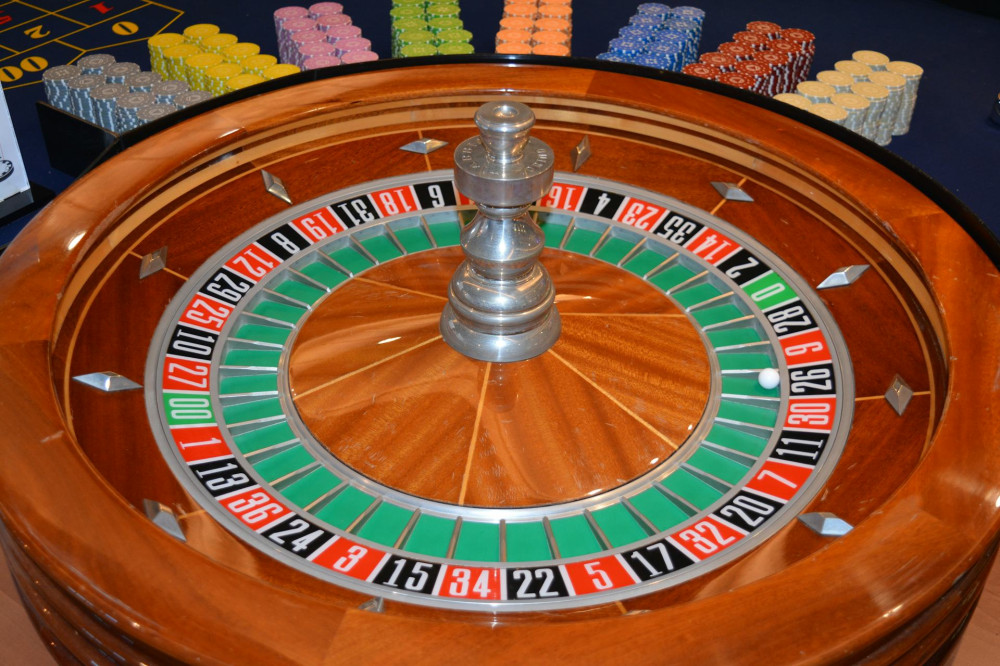
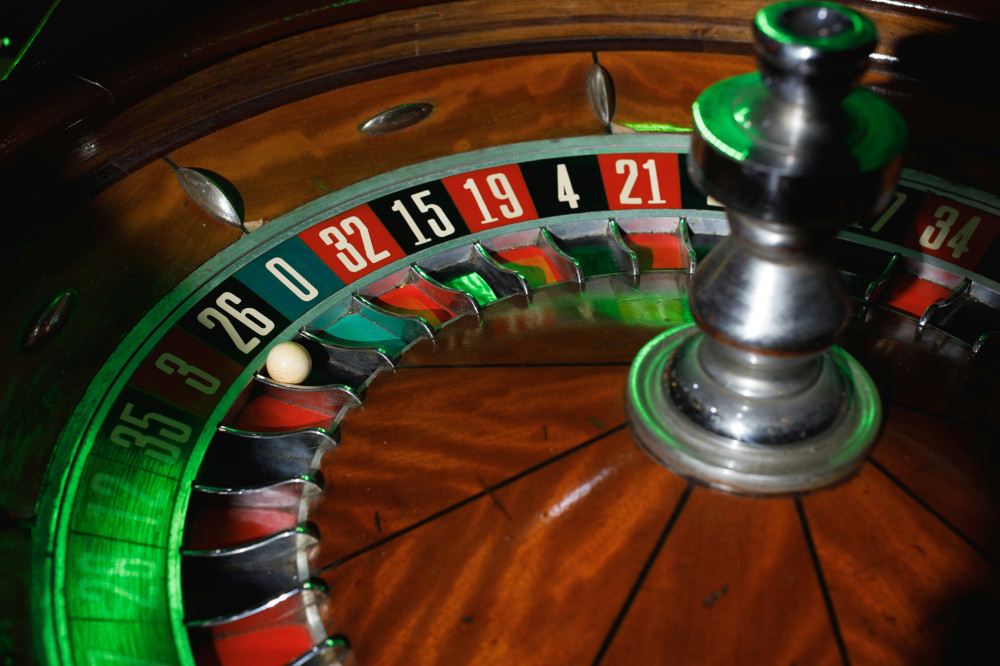
French roulette is played on a wheel with 37 pockets: numbers 1 through 36 plus a single zero. That’s the same layout as European roulette, but the difference lies in what happens when the ball lands on zero. In most other versions, the house simply takes your entire even-money bet. In French roulette, however, you get a second chance.
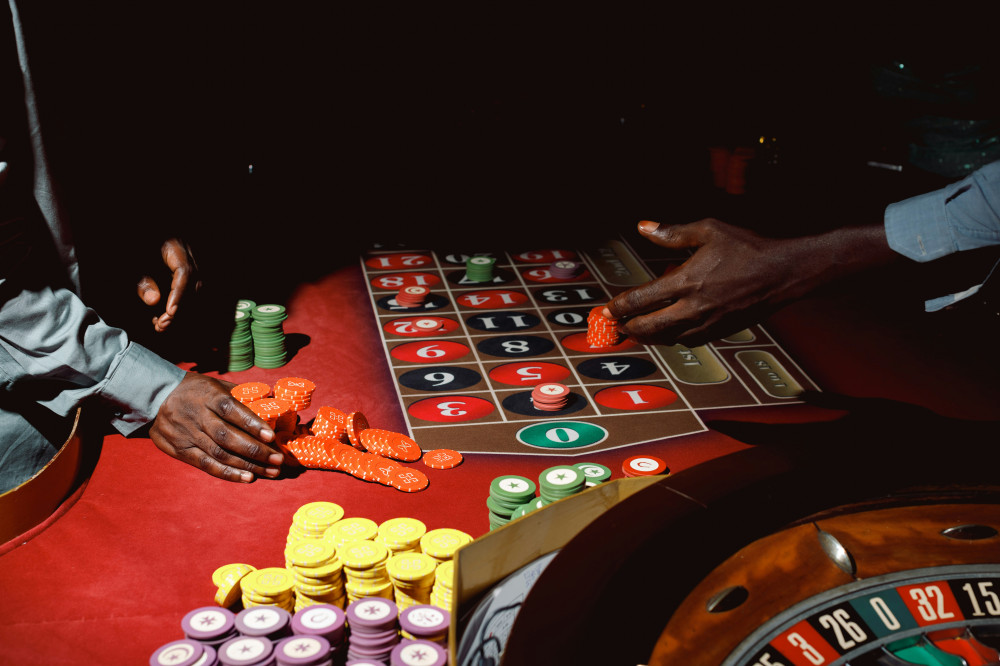
That’s where “La Partage” and “En Prison” come into play. Both rules apply to even-money bets—the wagers on red/black, odd/even, or high/low.
What Does “La Partage” Mean?
“La Partage” literally means “the sharing.” Under this rule, if you’ve placed an even-money bet and the ball lands on zero, you don’t lose your entire stake. Instead, half of your bet is returned to you, and the other half goes to the house.
It might sound like a small detail, but it makes a big difference in the math. In standard European roulette, the house edge is 2.7%. With “La Partage,” it drops to about 1.35%—almost a 50% reduction. That makes French roulette one of the most player-friendly versions you can find, whether you’re at a land-based casino or playing online.
What Does “En Prison” Mean?
“En Prison” translates to “in prison,” and that’s exactly what happens to your bet when the ball lands on zero. Instead of losing it, your stake is “locked” on the table for the next spin. If your bet wins on that next spin, you get your original stake back. If it loses, the house takes it as usual.
This rule gives you an extra chance to recover your bet, and it has the same mathematical effect on the house edge as “La Partage.” The main difference is in how the rule plays out—some casinos use one, others the other.
Læs også:


How These Rules Affect Your Odds
For players who like to stick with even-money bets, these rules are a clear advantage. They reduce your risk and make the game more balanced. In practice, that means more playtime for your money and a better statistical chance of breaking even over the long run.
Here’s a quick comparison:
| Variant | Number of Zeros | Rule on Zero | House Edge | |----------|-----------------|---------------|-------------| | American Roulette | 2 (0 and 00) | Lose full bet | ~5.26% | | European Roulette | 1 (0) | Lose full bet | ~2.70% | | French Roulette | 1 (0) | “La Partage” or “En Prison” | ~1.35% |
As you can see, the difference is significant. That’s why experienced players often prefer French roulette when they have the option.
Which Rule Is Better?
Mathematically, “La Partage” and “En Prison” offer the same advantage to the player. The difference is mostly in the experience. “La Partage” feels simpler—you get half your bet back right away. “En Prison” adds a bit more suspense, since your bet stays on the table for another spin.
If you’re playing online, you can usually check the game’s rules to see which version is in use. Both are good choices, but if you prefer quick settlements, “La Partage” is the more straightforward option.
A Game of Tradition and Elegance
French roulette isn’t just about probability—it’s also about style and history. The green felt, the French terminology, and the refined pace give the game a sense of sophistication that many players appreciate.
But beneath that elegance lies a real mathematical edge. By choosing a table that uses “La Partage” or “En Prison,” you’re not just playing a classic—you’re playing a smarter game where the odds are a little more in your favor.
Læs også: