The Psychology of Excitement: How Anticipation Influences Your Roulette Decisions

The Psychology of Excitement: How Anticipation Influences Your Roulette Decisions
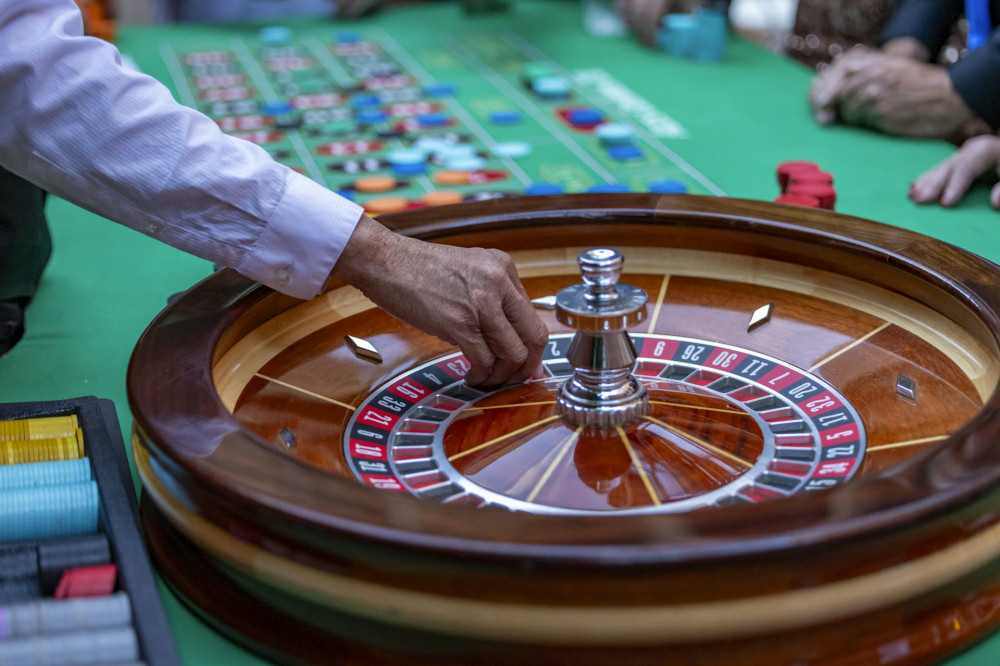
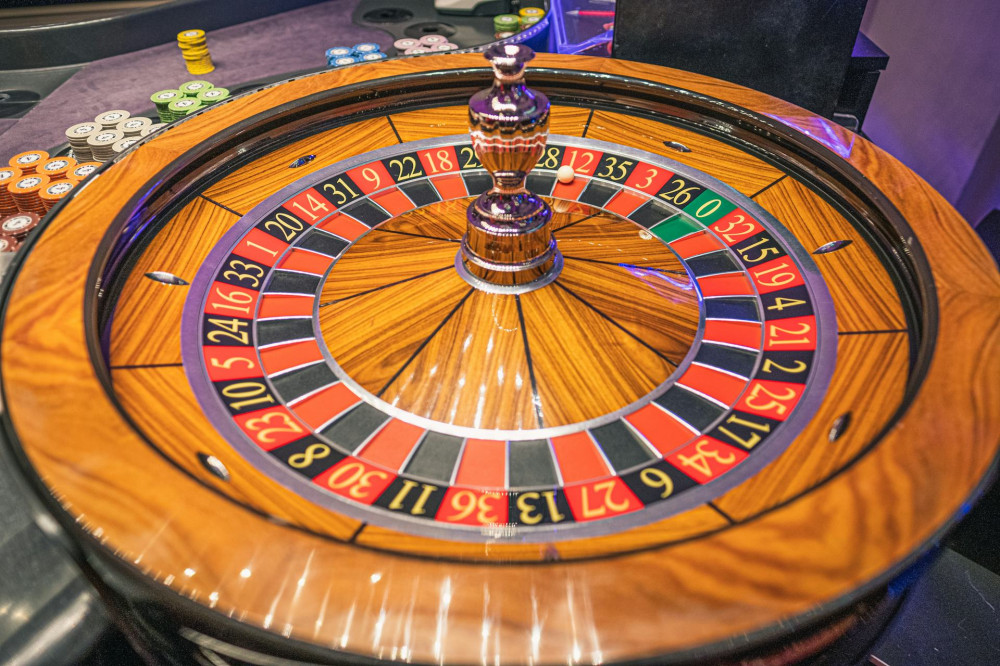
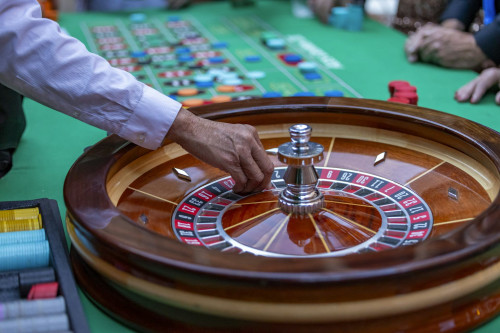
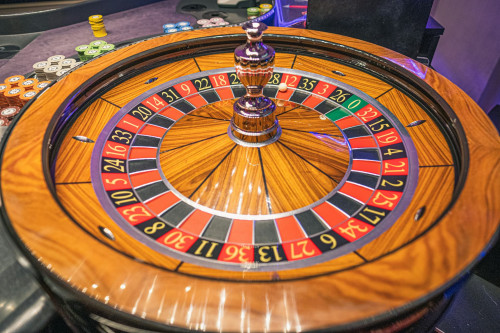
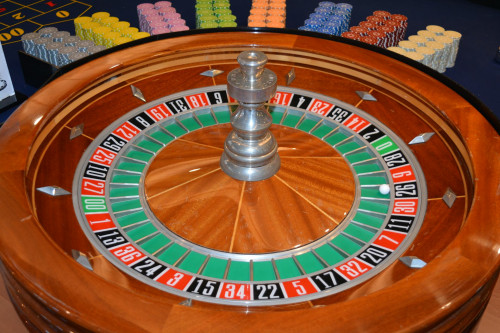
Roulette is one of the most iconic games in the casino world — a simple wheel, a small ball, and endless possibilities. Yet behind the apparent randomness lies a fascinating layer of psychology. Anticipation, excitement, and the illusion of control play a much bigger role than most players realize. Why does your heart race as the ball slows down? And how does that feeling shape the choices you make at the table?
The Power of Anticipation
When the wheel spins and you wait for the outcome, your brain’s reward system lights up. Dopamine — often called the “anticipation hormone” — is released not only when you win, but also when you expect to win. This means that the thrill of waiting for the result can be just as stimulating as the win itself.
Psychologists have long known that anticipation is a powerful motivator. It creates engagement and a sense of control, even in games of pure chance like roulette. That combination of uncertainty and hope is what makes the game so captivating — it’s not just about the result, but about the emotional journey leading up to it.
The Illusion of Control
Even though roulette is entirely random, many players try to find patterns. They track previous spins, bet on “lucky numbers,” or follow betting systems like Martingale or Fibonacci. Psychologically, this behavior stems from a desire to impose order on chaos — to feel in control when, in reality, no control exists.
This illusion can be both motivating and misleading. It gives players the sense that they can influence the outcome, but every spin is independent of the last. Recognizing this illusion can help you play more mindfully and avoid letting emotions dictate your bets.
When Excitement Turns Into Risk-Taking
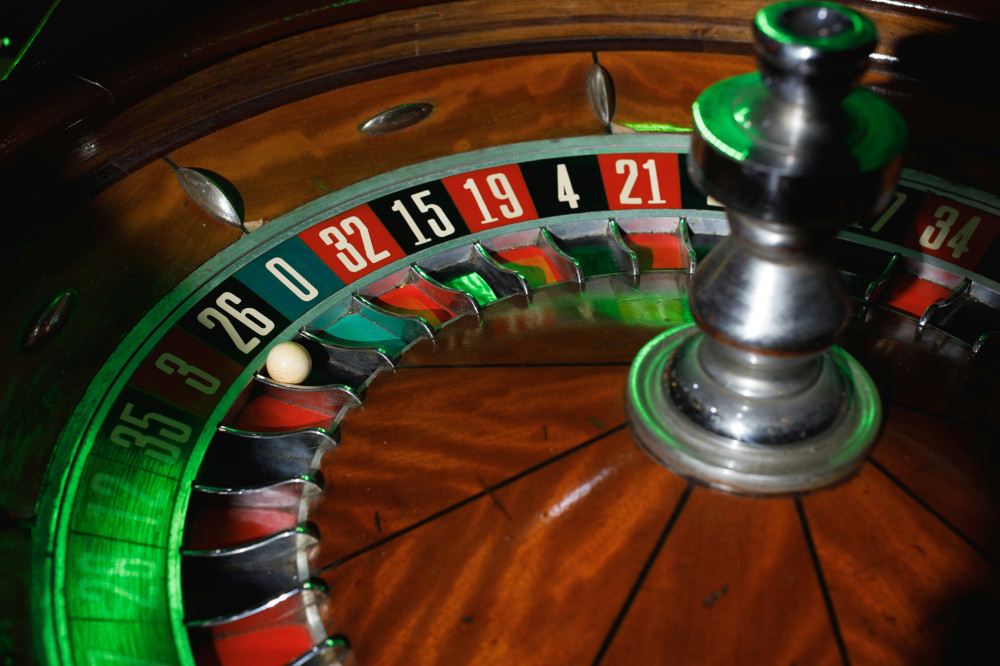
Anticipation and excitement don’t just make the game more fun — they also affect how much risk you’re willing to take. In the heat of the moment, your brain can underestimate probabilities and overestimate your chances of winning. That’s why many players increase their bets after a near miss — for example, when the ball lands right next to their chosen number.
Research shows that “almost wins” activate the same reward centers in the brain as actual wins. You feel close to success, even when you’ve lost, and that sensation can push you to keep playing longer than you intended.
Strategies for Staying Grounded
Understanding the psychology of excitement doesn’t mean you have to avoid it — it means you can manage it wisely. Here are a few ways to stay balanced while playing:
- Set clear limits for both time and money before you start.
- Take breaks, especially after big wins or losses, to reset your emotions.
- Remind yourself of randomness — each spin is independent, no matter what happened before.
- Focus on the experience, not the outcome. Roulette can be entertaining if you treat it as a game, not an investment.
By staying aware of your own reactions, you can enjoy the thrill without letting it take control.
Læs også:
Roulette as a Reflection of Human Behavior
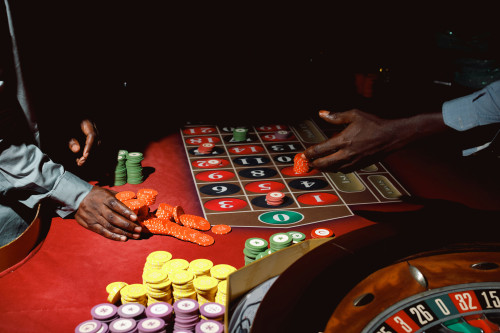
Roulette is more than a casino game — it’s a reflection of how we handle uncertainty, hope, and control in everyday life. The same psychological forces that drive us to bet on a number also influence how we make decisions in business, relationships, and personal goals.
Understanding how anticipation shapes your choices can offer insights far beyond the casino floor. It’s not just about winning or losing — it’s about learning how we respond when the outcome is out of our hands.
Læs også: